
Protein, Muscle and Fat Loss in Denver: What I Focus On First

If you've been eating less and moving more and the scale still won't budge, I want to talk about the two things I look at first in almost every fat loss conversation at Tulip Aesthetic Medicine: protein and muscle. Whether you're exploring medical weight loss in Denver and Ken Caryl (Littleton) or just trying to figure things out on your own, this is the foundation I wish someone had explained to me years ago.
Age with intention, not confusion. That's really the whole point of this post.
Why Muscle Matters More Than the Number on the Scale
Muscle is metabolically active tissue. It plays a role in how your body uses glucose, how strong and capable you feel day to day, and how your body composition changes over time. Starting in our 30s, most of us gradually lose muscle unless we're actively working to keep it, and that shift can make fat loss feel harder even when your habits haven't changed.
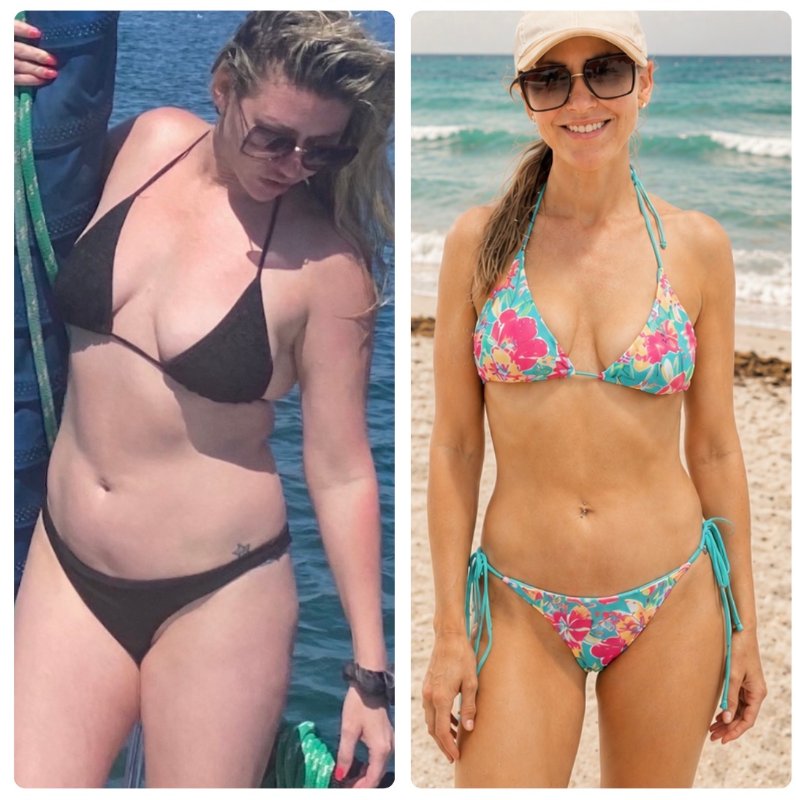
This is why I care less about how fast the scale drops and more about what's actually being lost. If someone loses weight quickly but a meaningful share of it is muscle, they may feel weaker and more tired, and find it harder to maintain where they land. I would much rather see a slower, steadier change where clients keep their strength.
How Much Protein I Aim For (and Why So Many Women Under-Eat It)
When I review food logs, protein is the gap I see most often, especially with women. Breakfast is coffee, lunch is a salad with a few bites of chicken, and dinner is where most of the protein finally shows up. Spread across the day, that often adds up to far less than people think.
A range many practitioners use for active adults working on fat loss is roughly 0.7 to 1 gram of protein per pound of goal body weight, but your number depends on your health history, activity level and goals. That's a conversation to have with your provider, not something to copy off the internet.
What I've seen help most isn't a perfect number. It's a pattern:
Build each meal around a palm-to-two-palms portion of protein first, then add color and fiber
Start your day with a protein-forward breakfast instead of coffee alone
Keep easy options on hand: Greek yogurt, eggs, cottage cheese, lean meats, tofu or a quality protein shake
Pair protein with fiber to help you feel full between meals
Track for three days before changing anything, so you're working from real data
If you want a simple place to start, our free 3-Day Symptom Log helps you see your patterns around food, energy, sleep and cravings before you make any changes.
Strength Training: The Other Half of the Equation
Protein gives your body building material, but strength training gives it a reason to hold on to muscle. You don't need to live in the gym. Two to three sessions a week of resistance work, whether that's weights, bands or bodyweight moves, is a realistic starting point for many of my clients.
Living in Colorado, I love that so many of us already hike, bike and ski. Those are wonderful for your heart and your mood, and adding a little resistance training on top rounds things out. Progress matters more than intensity. Lifting a little heavier or doing one more rep than last month is a win. Recovery counts too: sleep, stress and hydration (especially at altitude) all affect how you feel and how your body responds.
Protein and Muscle During Medical Weight Loss in Denver
This is where I get the most questions. When appetite is lower, which many clients notice on prescription options, it can be surprisingly easy to under-eat protein without realizing it. That's one reason our medical weight loss program in Denver and Ken Caryl/Littleton is built around much more than a prescription. We look at labs, body composition, nutrition and lifestyle together, and we check in regularly so the plan can adjust as you go.
My goal for every client is that they feel stronger, not just smaller. There is no quick fix, there is only the science. And the science keeps pointing back to the basics: enough protein, regular strength training, good sleep and consistency over time. Results vary from person to person, which is exactly why a personalized plan matters.
Where to Start This Week
If this feels like a lot, pick one thing. Add protein to breakfast for the next seven days, or schedule two short strength sessions on your calendar. Small, repeatable changes add up, and they give you real information about what your body responds to.
If you'd like support building a plan, you can learn more about our medical weight loss program or book a free 15-minute phone consultation. It's by phone, so you can book from anywhere, and we'll talk through where you are and whether our approach is a good fit. I see clients at both our Denver (2727 Bryant St #450) and Ken Caryl/Littleton (7761 Shaffer Pkwy #220) locations.
This article is educational and shares my personal and professional experience. It is not medical advice and is not intended to diagnose, treat, cure or prevent any disease. Individual results vary. Talk with your healthcare provider before starting any new program or treatment.

Comments